Australia has cheap land, harsh sun, and a lot of energy that never reaches a customer. Gas is vented at remote wellheads, and solar power is curtailed when the grid can't absorb it. Bitcoin miners have noticed. Instead of competing for grid power in the cities, a handful of operators are taking the machines to the energy, and the early pilots are now scaling past a megawatt.
From oil field to data centre in WA
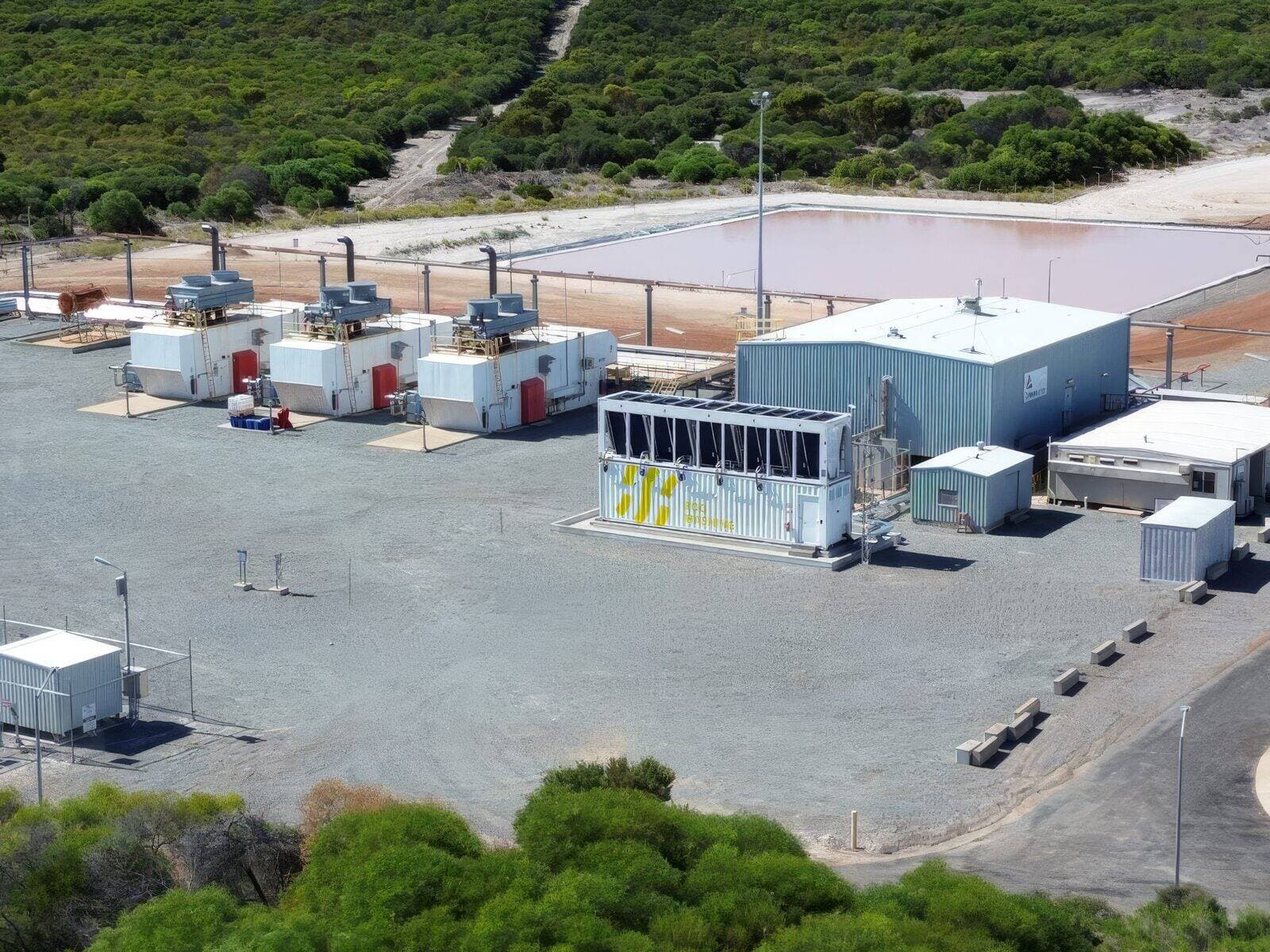
The clearest example sits near Dongara, Western Australia, where an ASX-listed energy company has switched on a modular data centre at one of its existing oil-and-gas sites, in partnership with a specialist data-centre operator. The first 1 MW unit came online on schedule in 2026, powered by the site's existing gas-fired generators, with capacity set to grow to 4 MW through the year. It is billed as the Mid West region's first live data centre, and the cash flow is meant to fund the owner's longer-term pivot into carbon storage.
The logic is simple. An ageing energy asset that is hard to monetise gets a new, flexible customer that can be installed in containers and run off-grid, in this case even backhauled over Starlink. Mining becomes the bridge that keeps the infrastructure earning while the owner transitions to something else. It is a pattern that repeats across the country.
Burning gas into hash: the Cooper Basin
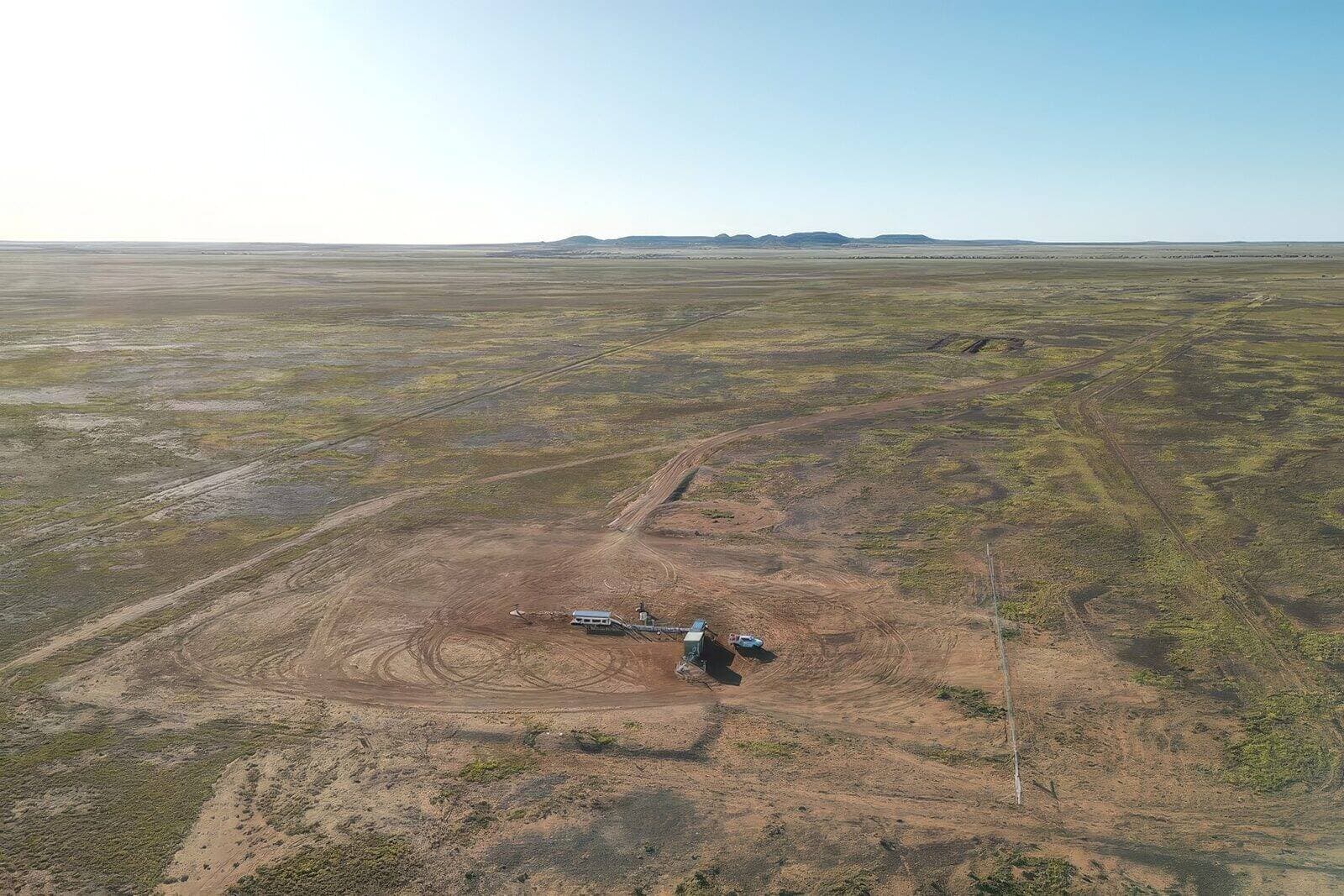
Take Queensland's Cooper Basin, where a Canadian-listed energy explorer set out to mine Bitcoin from stranded gas. It acquired out-of-service gas wells from local oil and gas operators. The problem with those wells is geography. They can produce gas, but the nearest pipeline is too far away to make selling it worthwhile, so the gas would otherwise be flared off and wasted.
The fix is to put the demand on site. The operator installed mining rigs in a standard air-cooled container (a portable building known in local mining slang as a donga) running on power generated from gas that had no other home, and in 2023 it became the first gas-fired Bitcoin pilot of its kind in Australia. It turns a stranded, wasted resource into revenue without building a single kilometre of new pipeline.
By a September 2025 annual meeting, the company reported it had successfully demonstrated the technical feasibility of this “gas-to-bytes” model, and laid out the next stage, a commercial 2 MW pilot plant. Scaling gas-fired Bitcoin mining onshore Australia sits among its stated plans rather than finished projects, but the direction of travel is clear.
Mining the sun in South Australia
Gas is only half the story. South Australia runs on so much rooftop and utility solar that the grid regularly has more power than it can use, forcing solar farms to switch off. That curtailment wastes clean energy and hurts project economics. Miners are an ideal sponge for that surplus, the same economics behind why renewable energy is the future of mining.
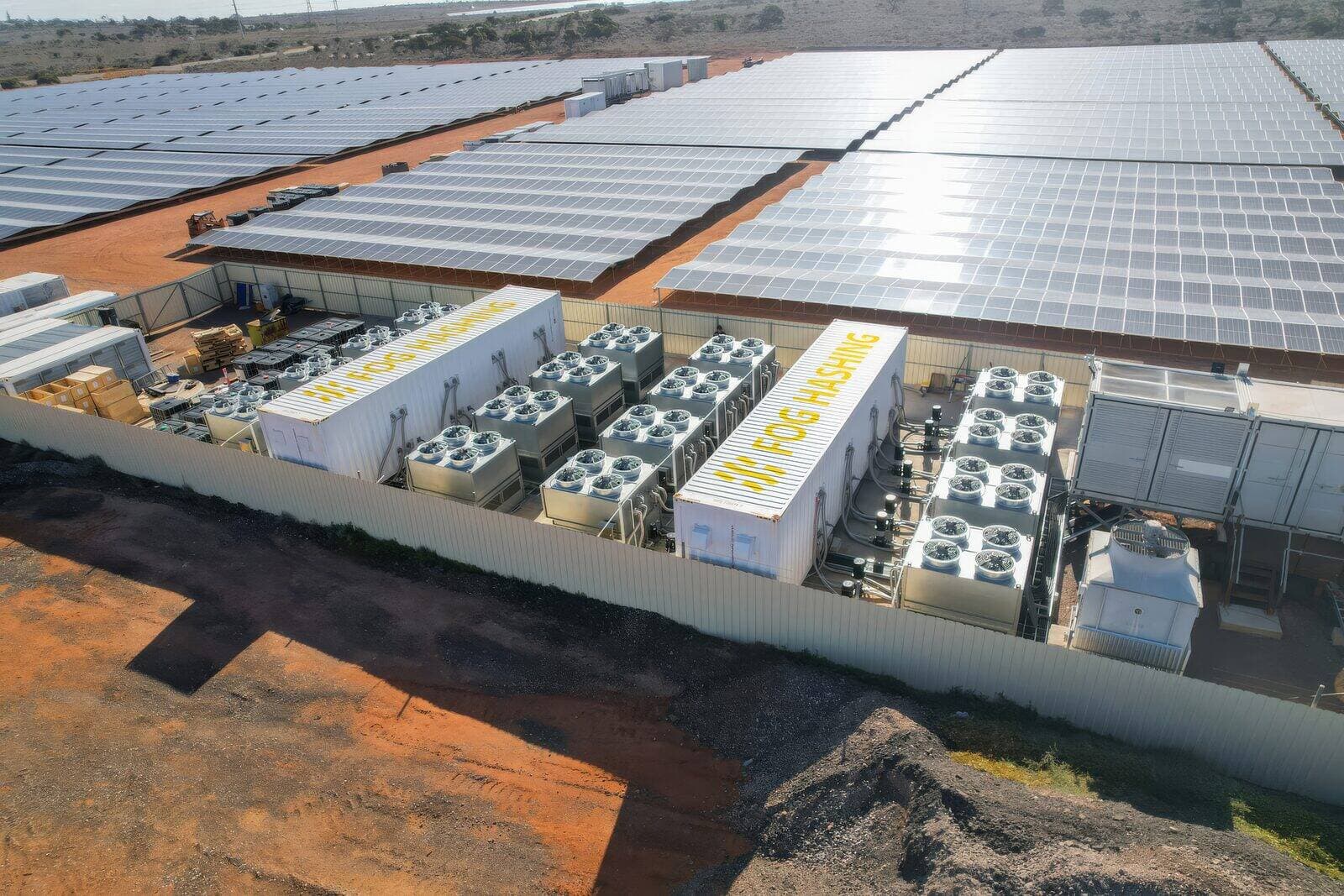
That is the model taking shape in the state. Hardware specialist Fog Hashing has deployed a 4 MW solar-fed immersion container in the region, built to survive local heat and summer sandstorms. It soaks up cheap daytime solar and behaves as a flexible load the grid would otherwise have to curtail, effectively “digital storage” for power a battery would have to hold.
Why immersion cooling is the enabler in the outback
All of this happens in some of the hottest, dustiest places on the continent, exactly where air-cooled machines thermally throttle, quietly cutting their own hash rate to avoid overheating. Submerging the hardware in dielectric fluid solves that. The fluid pulls heat away far more effectively than air, so machines hold full output in 45°C ambient heat and stay sealed against the dust.
What ties these projects together is energy. Australia's miners win by absorbing power the grid wastes, and immersion cooling is what makes that possible in the outback.
None of these are hyperscale operations yet. But the direction is clear. Small, containerised, energy-first deployments turn wasted gas and curtailed solar into hash, and quietly prove out a model the rest of the industry is still arguing about. The next step is taking the machines indoors: Bitcoin mining heat reuse is already heating pools and breweries in Australia.
Looking to host miners on renewable power, built to handle the heat? GreenMicroHash can help.
Get in touch